
Strengthen Your Immune System Through Nutrition
Discover the science-backed approach to building a resilient immune system by optimizing your diet with essential nutrients, whole foods, and proven dietary strategies.
The information on this site is for educational purposes only and does not constitute medical advice. Always consult a qualified healthcare professional before making health decisions.
Key Features of Immune-Boosting Nutrition
Nutrient Density
Focus on whole, unprocessed foods packed with vitamins, minerals, and phytonutrients. Nutrient-dense foods provide maximum immune-supporting compounds per calorie, helping your body maintain optimal defenses.
Antioxidant Protection
Antioxidants combat oxidative stress and support cellular health. Include colorful fruits, vegetables, nuts, and seeds rich in vitamins C and E, selenium, and polyphenols to strengthen your body's natural protective mechanisms.
Zinc & Selenium Sources
These critical trace minerals support immune cell development and function. Incorporate lean proteins, seeds, legumes, and whole grains to ensure adequate intake of these essential micronutrients.
Gut Health Support
A robust microbiome is crucial for immune function. Consume fermented foods, fiber-rich vegetables, and prebiotic foods to support beneficial bacteria that strengthen your intestinal barrier and overall immunity.
Vitamin C & D Optimization
These powerhouse vitamins regulate immune response and reduce inflammation. Include citrus fruits, bell peppers, fatty fish, egg yolks, and mushrooms to maintain optimal levels year-round.
Hydration & Detoxification
Proper hydration supports nutrient transport and cellular function. Drink adequate water daily and include hydrating foods like leafy greens and berries to aid your body's natural elimination processes.
The Science Behind Immune-Boosting Nutrition
Your immune system relies on a complex interplay of nutrients, each playing a specific role in defending against pathogens and maintaining overall health. A well-balanced diet provides the building blocks your body needs to produce immune cells, synthesize antibodies, and regulate inflammatory responses.
By strategically incorporating immune-supporting foods into your daily meals, you create an environment where your body's natural defenses can function optimally. This approach focuses on prevention and resilience rather than treating problems after they develop.
Explore Nutrition Tips
Essential Nutrients for Immune Strength
Vitamin C
Supports white blood cell production and acts as a potent antioxidant. Found abundantly in citrus fruits, berries, kiwi, bell peppers, and broccoli.
Daily need: 75-90 mg for adults
Vitamin D
Regulates immune cell activation and reduces excessive inflammation. Obtain from fatty fish, egg yolks, mushrooms, and moderate sun exposure.
Daily need: 600-800 IU for adults
Zinc
Essential for immune cell development and function. Rich sources include oysters, beef, poultry, legumes, seeds, and nuts.
Daily need: 8-11 mg for adults
Selenium
Protects immune cells from oxidative damage. Brazil nuts, whole grains, fish, and poultry are excellent dietary sources of this trace mineral.
Daily need: 55 mcg for adults
Vitamin A
Maintains the health of mucous membranes that act as physical barriers. Find it in sweet potatoes, carrots, spinach, kale, and liver.
Daily need: 700-900 mcg for adults
Iron & B Vitamins
Critical for immune cell function and energy production. Sources include red meat, poultry, beans, fortified grains, and leafy greens.
Varies by vitamin and gender
Steps to Build Your Immune-Supporting Diet
Assess Your Current Diet
Review what you're currently eating. Identify gaps in nutrient intake—are you getting enough colorful vegetables, lean proteins, whole grains, and healthy fats? Keep a food journal for a few days to establish a baseline.
Incorporate Whole Foods
Shift toward minimally processed foods. Fill your plate with vegetables, fruits, legumes, whole grains, nuts, seeds, and quality proteins. These foods provide the nutrients your immune system requires without unnecessary additives.
Optimize Your Meal Structure
Build meals with a balance of protein, healthy fats, and carbohydrates. Include anti-inflammatory components like omega-3 fatty acids from fish, flaxseeds, or chia seeds. Stay hydrated throughout the day with water.
Support Gut Health Regularly
Include fermented foods like yogurt, kefir, sauerkraut, or kimchi. Add prebiotic fiber from garlic, onions, asparagus, and bananas. Limit sugar and processed foods that feed harmful bacteria.
Immunity-Boosting Foods to Prioritize

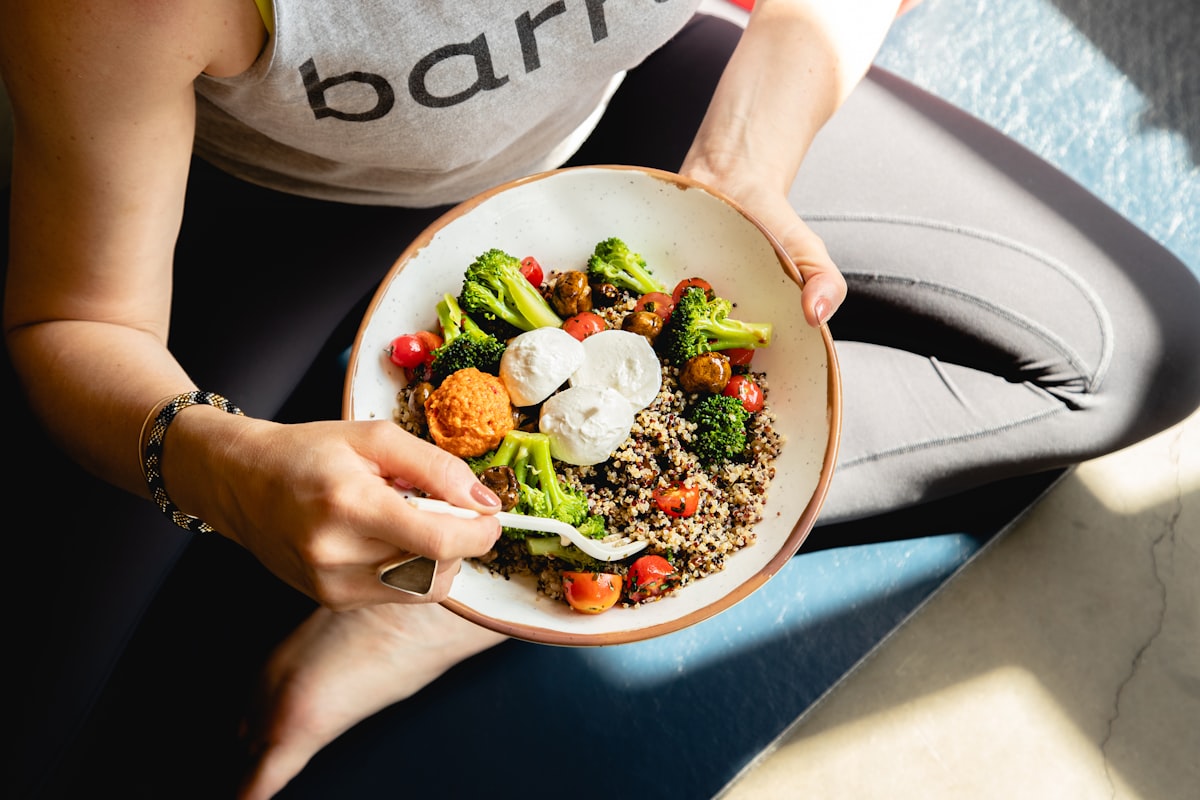
Colorful Vegetables
Dark leafy greens, bell peppers, broccoli, carrots, and tomatoes provide vitamins A, C, K, folate, and powerful antioxidants. Aim for variety to maximize nutrient intake.
Berries & Fruits
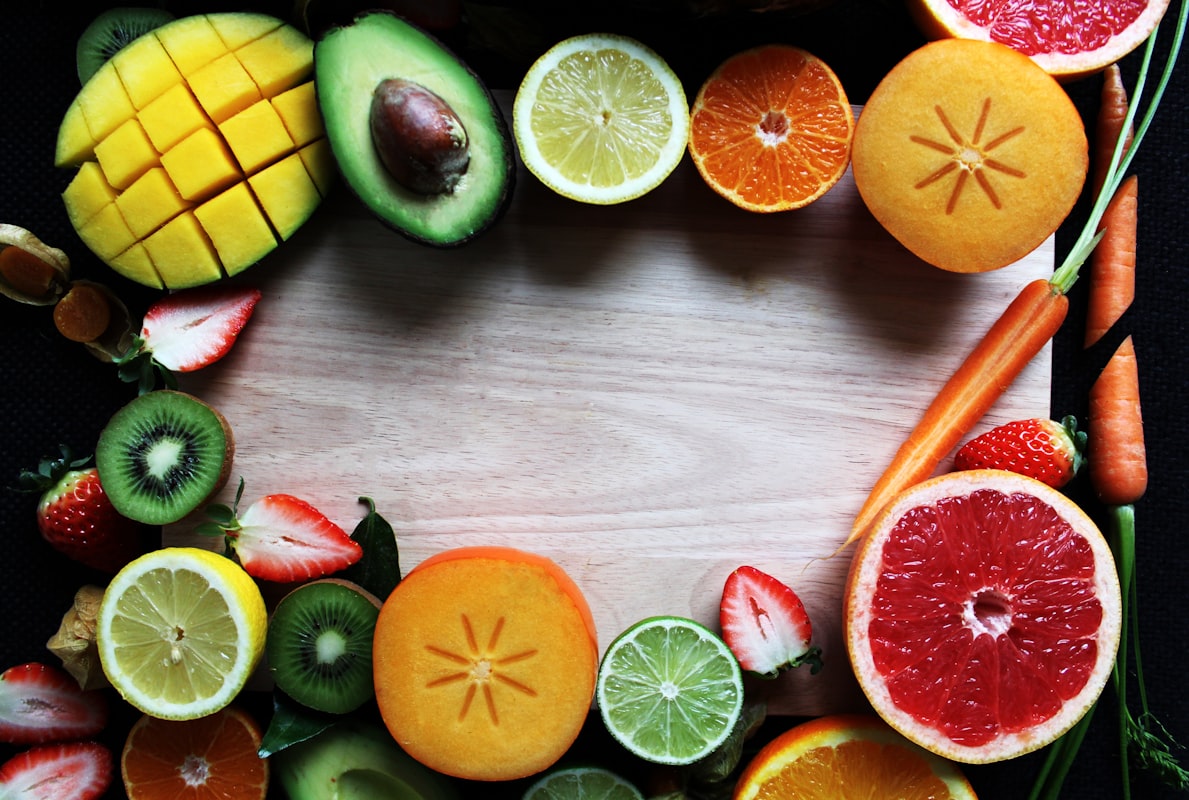
Blueberries, strawberries, oranges, and kiwis are loaded with vitamin C and anthocyanins. These foods support immune function and reduce inflammation naturally.
Lean Proteins
Chicken, fish, turkey, lean beef, and plant-based options like legumes provide amino acids needed for antibody and immune cell production.

Garlic & Spices
Garlic, ginger, turmeric, and cinnamon contain bioactive compounds with anti-inflammatory properties. Use generously in cooking for both flavor and immune benefits.

Nuts & Seeds
Almonds, walnuts, sunflower seeds, and pumpkin seeds provide zinc, selenium, vitamin E, and healthy omega-3 fats that support immune cell function.

Fermented Foods
Yogurt, kefir, sauerkraut, and kimchi contain probiotics that enhance gut barrier function. A healthy microbiome is essential for robust immune responses.
Frequently Asked Questions
Most people notice increased energy and general well-being within 2-4 weeks of improving their diet. However, immune system strengthening is a gradual process. Consistent dietary practices over months build a more resilient immune response. Individual results vary based on starting point, overall lifestyle, sleep quality, and stress management.
Whole foods contain thousands of compounds that work synergistically—nutrients your body can absorb and utilize more effectively than isolated supplements. While targeted supplements may address specific deficiencies, they cannot replace a balanced, nutrient-dense diet. Focus on food first, and consider supplements to fill specific nutritional gaps identified through dietary assessment.
Many foods support immune function—you have options regardless of dietary restrictions. Vegetarians can obtain zinc and iron from legumes, nuts, and seeds. Those avoiding dairy can get probiotics from non-dairy fermented foods. Those with nut allergies can use seeds. The key is identifying nutrient-dense alternatives that work with your body's needs. Consult with a nutrition professional to ensure all immune-critical nutrients are covered.
While tropical regions like Indonesia receive abundant sunlight, factors like high pollution, time spent indoors, and skin tone affect vitamin D synthesis. Additionally, cultural clothing practices may limit sun exposure. Consuming vitamin D-rich foods (fatty fish, egg yolks, mushrooms) provides a reliable foundation. Some individuals benefit from modest supplementation, especially during rainy seasons. A brief outdoor exposure during midday several times weekly also supports natural production.
Proper hydration is essential for transporting nutrients to immune cells, flushing waste products, and maintaining mucous membrane integrity. Dehydration impairs lymphatic circulation and reduces the body's ability to fight off pathogens. Aim for adequate water intake adjusted for climate, activity level, and individual needs. In tropical climates like Indonesia, increased perspiration requires higher fluid intake to maintain proper hydration.
Diet is one pillar of immune health, but sleep, stress management, and physical activity are equally important. During sleep, your body produces cytokines needed for immune response. Chronic stress elevates cortisol, which suppresses immunity. A nutrient-dense diet supports these processes, but optimal results come from addressing all lifestyle factors holistically. Combine dietary improvements with consistent sleep habits, stress-reduction practices, and regular movement.
Expert Insights & Success Stories
"I completely transformed my energy levels within six weeks by following these dietary principles. Incorporating more vegetables, lean proteins, and fermented foods made a noticeable difference in how I feel daily. This approach is sustainable and doesn't require extreme restriction."
Siti Nurhaliza
Jakarta
"The information about zinc and vitamin C sources was incredibly helpful. I started prioritizing Brazil nuts, seeds, and citrus fruits, and I genuinely feel more resilient during seasonal changes. The science-backed approach gives me confidence in these dietary choices."
Budi Santoso
Surabaya
"As a busy professional, I appreciated the practical steps for building an immune-supporting diet without overwhelming complexity. I've noticed better concentration and fewer afternoon energy crashes since making these changes. Simple but effective."
James Chen
Entrepreneur, Singapore
Ready to Transform Your Health?
Join thousands of men who've taken control of their nutrition and fitness. Get instant access to our comprehensive guides and start your journey today.
Frequently Asked Questions
ProteinPowerMalePro
Helping men build strength, optimize nutrition, and achieve peak performance.
Resources
© 2024 ProteinPowerMalePro. All rights reserved.